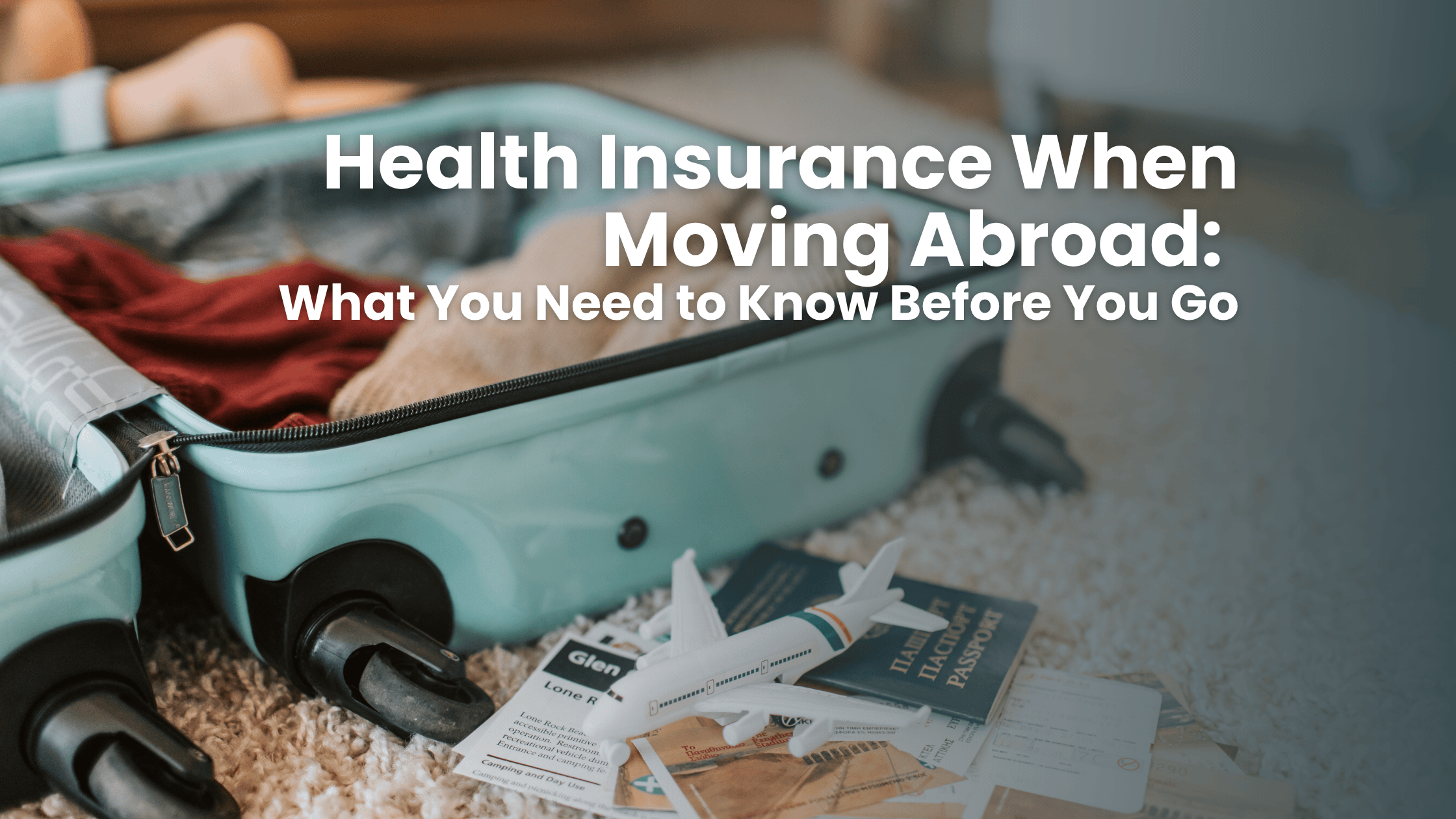
Moving abroad for work, university, or a long term lifestyle change is an exciting step. However, one area that’s often underestimated is healthcare. Many people delay sorting their health insurance until once they arrive or rely on basic cover. This is where we see the biggest gaps and often the most expensive mistakes.
The reality is, leaving it too late is where most people get caught out. Healthcare systems vary hugely from country to country, and what works in one place may not apply in another.
If you’re moving abroad for more than just a short trip, it’s worth understanding what you actually need before you go.
What Changes When You Move Abroad?
The biggest shift isn’t just location; it’s how healthcare works.
Every country has its own rules around:
- Access to treatment
- Insurance requirements
- Public vs private care
- Costs and waiting times
In some places, health insurance is mandatory for your visa. In others, you may technically have access to public healthcare but face long delays or limited treatment options.
That’s why it’s so important to understand your position early. If you’re unsure, it’s worth reading more about why reviewing your health insurance before travelling or relocating matters before making any decisions.
What Does Health Insurance Abroad Actually Give You?
At its core, health insurance abroad gives you access not just to treatment, but to the right level of treatment.
Depending on your policy, that can include:
- Faster access to diagnosis and specialists
- Private hospitals instead of public systems
- Support navigating unfamiliar healthcare environments
- Access to care across multiple countries
Many international policies now also include things like mental health support, diagnostics, and optional extras such as dental or maternity cover.
If you’re planning to live overseas, having structured cover in place means you’re not relying on systems you don’t fully understand.
You can explore more about how international medical insurance works here if you’re still getting familiar with the options.
Who Typically Needs International Health Insurance?
There’s no single profile, but we see certain situations where having the right cover makes a significant difference.
Professionals Moving Abroad for Work
Employer cover can be helpful, but it’s often more limited than people expect. It may not include dependants, outpatient care, or full access to private facilities.
For businesses operating internationally, structuring the right cover is even more important, especially when managing teams across locations. Here’s a useful guide on providing health insurance across multiple countries if that applies.
Students Living Overseas
University provided insurance is usually designed to meet minimum requirements. It often focuses on emergencies rather than ongoing or specialist care, For longer stays, this can leave gaps.
Long-Term Movers and Expats
If you’re relocating without a fixed end date, flexibility becomes key. You may need cover that moves with you, adapts to your plans, and gives you consistent access to care.
This is where international cover tends to stand out, particularly if you’re unsure how long you’ll stay or where you might go next.
What Do Most People Get Wrong?
In most cases, it comes down to focusing too much on price.
We regularly see policies that look good on paper but fall short when they’re actually needed.
Common issues include:
- No cover for outpatient or day to day treatment
- Limited mental health support
- No emergency evacuation or repatriation
- High excesses that make claims impractical
- Restrictions on where you can receive treatment
The reality is, a cheaper policy can quickly become expensive if it doesn’t respond when you need it.
Is International Health Insurance Worth It?
It depends on what matters most to you.
In many countries, there’s a clear trade off:
- Public healthcare is more affordable but slower
- Private healthcare is faster but comes at a cost
Health insurance gives you options. It allows you to avoid long waiting times, choose your provider, and access care when you need it not when it becomes available.
If you’re weighing it up, it’s worth understanding why international health insurance matters more than most people expect once you’re living overseas.
What About Pre-Existing Conditions?
This is one of the most important areas to get right.
Most insurers will:
- Exclude pre-existing conditions
- Apply a loading
- Or offer cover after a waiting period
Every provider approach this differently, which is why it’s important to understand your options properly.
If this applies to you, here’s a complete guide to pre-existing conditions and private medical insurance to help you navigate it.
Is It as Expensive as People Think?
Not always.
The cost of international health insurance depends on:
- Where you’re moving
- Your age
- Level of cover
- Whether you include additional benefits
There are also ways to manage costs without losing key protection.
If you’re trying to get a rough idea, this guide explains how much private health insurance typically costs each month and what affects pricing.
Why Speak to a Broker?
Health insurance abroad isn’t always straightforward. Policies vary significantly, and what looks similar on the surface can be very different in practice.
A broker helps you:
- Compare multiple insurers
- Understand what’s actually covered
- Structure a policy around your plans
- Avoid gaps that could cause issues later
At Cransford, we also work directly with insurers to negotiate terms helping ensure you’re getting both strong cover and fair pricing.
If you want a clearer idea of how that works, here’s a breakdown of what a private medical insurance broker does and why it matters.
How Do You Decide?
Start with a few simple questions:
- How long are you planning to stay abroad?
- Will you be relying on employer or university cover?
- How important is fast access to treatment?
- Do you want flexibility if your plans change?
If any of these raise concerns, it’s worth exploring your options early.
Not Sure Where to Start?
Get in touch for a free, no-obligation chat.
We’ll answer your questions honestly and help you work out what level of cover makes sense for your move, with no pressure either way.