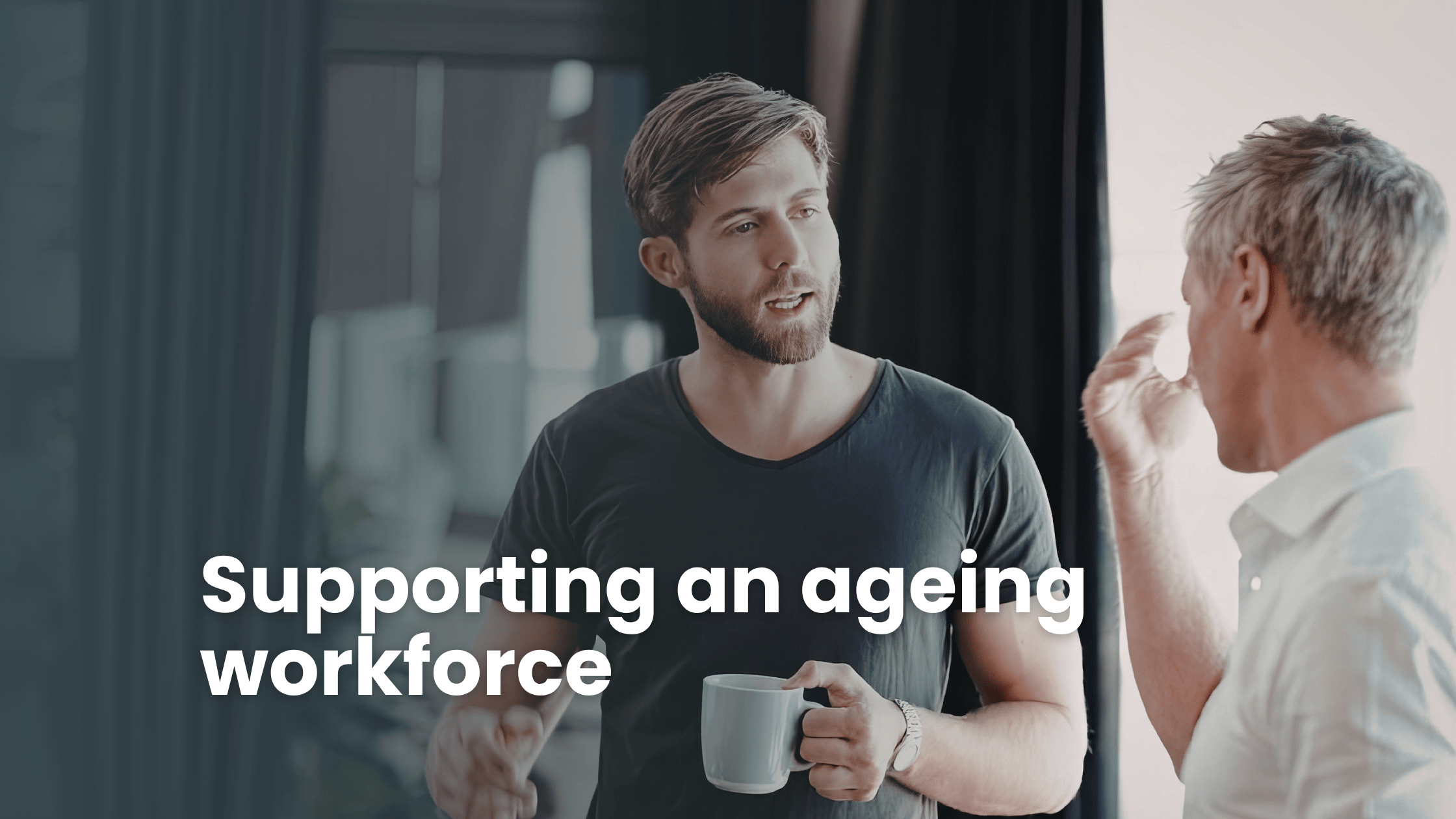
The UK workforce is ageing and it’s happening faster than many businesses expect. Today, a significant proportion of employees are aged 50 or over, with more people working later into life than ever before. Longer life expectancy, rising retirement ages, and shifting workforce demographics are already reshaping the modern workplace.
This isn’t a future challenge it’s a current reality. As the workforce evolves, so do employee expectations, particularly around health, wellbeing, and financial security. Employers who recognise this shift early are better positioned to support their teams while strengthening retention, productivity, and long-term resilience.
To respond effectively, businesses should start by:
- Understanding how workforce demographics are changing
- Reviewing whether current benefits still meet employee needs
- Identifying gaps in health, wellbeing, and financial support
Taking a proactive approach now creates a strong foundation for a more sustainable and supportive workplace.
Recognising the Opportunity
An ageing workforce isn’t just a challenge; it brings valuable strengths that businesses can benefit from.
Experienced employees often contribute:
- Deep industry knowledge and expertise
- Strong problem-solving and decision making skills
- Greater reliability and consistency
- The ability to mentor and support younger colleagues
However, to fully realise these benefits, employers need to ensure their offering reflects what this group truly values. A traditional benefits package may no longer be enough
How Employee Priorities Evolve Over Time
As employees progress through their careers, their needs naturally shift. What was no longer just a perk becoming increasingly essential for businesses.
Later career employees tend to prioritise:
- Access to timely and reliable healthcare
- Preventative support to maintain long-term health
- Financial security as retirement approaches
- Greater flexibility and work-life balance
At the same time, the likelihood of health-related concerns increase. This can lead to more frequent appointments, longer recovery periods, and a higher risk of absence making the right support systems more important than ever.
The Value of Private Health Insurance
Private health insurance plays a key role in supporting an ageing workforce by providing faster access to care when it matters most.
Key benefits include:
- Quicker diagnosis and treatment
- Reduced waiting times compared to public services
- Access to specialists and private facilities
For employees, early intervention can significantly improve health outcomes. For employers, this can translate into:
- Reduced long-term sickness absence
- Faster return to work timelines
- Improved overall productivity
Rather than replacing public healthcare, private cover works alongside it, offering speed and reassurance when it’s needed most.
Supporting Everyday Health with Cash Plans
While private medical insurance focuses on more serious conditions, health cash plans help employees manage routine healthcare needs.
These plans typically cover:
- Dental treatment
- Optical care
- Physiotherapy
- Routine health checks
For an ageing workforce, regular maintenance and early intervention are essential. Addressing smaller issues early can prevent them from developing into more serious concerns.
Cash plans also offer additional advantages:
- Cost effective for employers
- Simple and accessible for employees
- Suitable for a wide range of age groups
They work particularly well alongside private health insurance, creating a more balanced and comprehensive benefits package.
The Importance of Preventative Wellbeing
Supporting long-term health isn’t just about treatment, it’s about prevention. Encouraging healthier lifestyles can reduce the likelihood of more serious issues developing over time.
Employers should consider benefits that promote wellbeing, such as:
- Mental health support and counselling services
- Employee Assistance Programmes (EAPs)
- Health screenings and regular assessments
- Lifestyle support, including nutrition and fitness guidance
These initiatives help employees stay healthier for longer, contributing to a more engaged and productive workforce.
Why Flexibility Matters More Than Ever
For many older employees, flexibility has become just as important as financial benefits. The ability to balance work with personal commitments can significantly impact job satisfaction and retention.
Flexible options may include:
- Adjusted working hours
- Remote or hybrid working arrangements
- Phased or gradual retirement options
Providing flexibility allows employees to continue contributing effectively while managing their individual needs.
Supporting Financial Wellbeing
As retirement approaches, financial security becomes an increasing priority. Employers can play an important role in helping employees feel more confident about their future.
Support may include:
- Pension contributions and guidance
- Financial wellbeing programmes
- Access to advice or planning tools
Reducing financial stress not only benefits employees personally but can also improve focus, engagement, and overall wellbeing at work.
Building a Benefits Strategy That Works
There’s no single solution for every organisation, but a strong benefits strategy should reflect the realities of an ageing workforce.
A well rounded approach should aim to:
- Support both everyday and more complex health needs
- Provide timely access to diagnosis and treatment
- Encourage preventative care and healthier lifestyles
- Offer flexibility and work-life balance
- Promote long-term financial wellbeing
Most importantly, benefits should be clear, accessible, and genuinely relevant to employees’ needs
An ageing workforce isn’t something to work around it’s something to plan for. Businesses that adapt their benefits offering will be better positioned to support their people and strengthen their organisation.
By taking the right approach, employers can:
- Retain experienced and valuable employees
- Reduce absence and improve return to work outcomes
- Enhance productivity and engagement
- Build a healthier, more resilient workforce
Health insurance, cash plans, and wellbeing support are no longer optional extras, they are essential tools for supporting today’s workforce.
In charge of your business employee benefits?
Overseeing employee benefits can be a challenging role, keeping everyone happy, reviewing your employee befits each year to ensure it gives the best perks for your staff, understanding what your workforce needs and how to deliver it effectively can feel complex. Taking the time to review your current approach is a valuable first step.
If you’re looking to strengthen your benefits offering, consider:
- Assessing your existing benefits and identifying gaps
- Comparing available options across the market
- Building a tailored package that supports both your business and your employees
With the right strategy in place, you can create a benefits package that truly supports your workforce now and in the future.