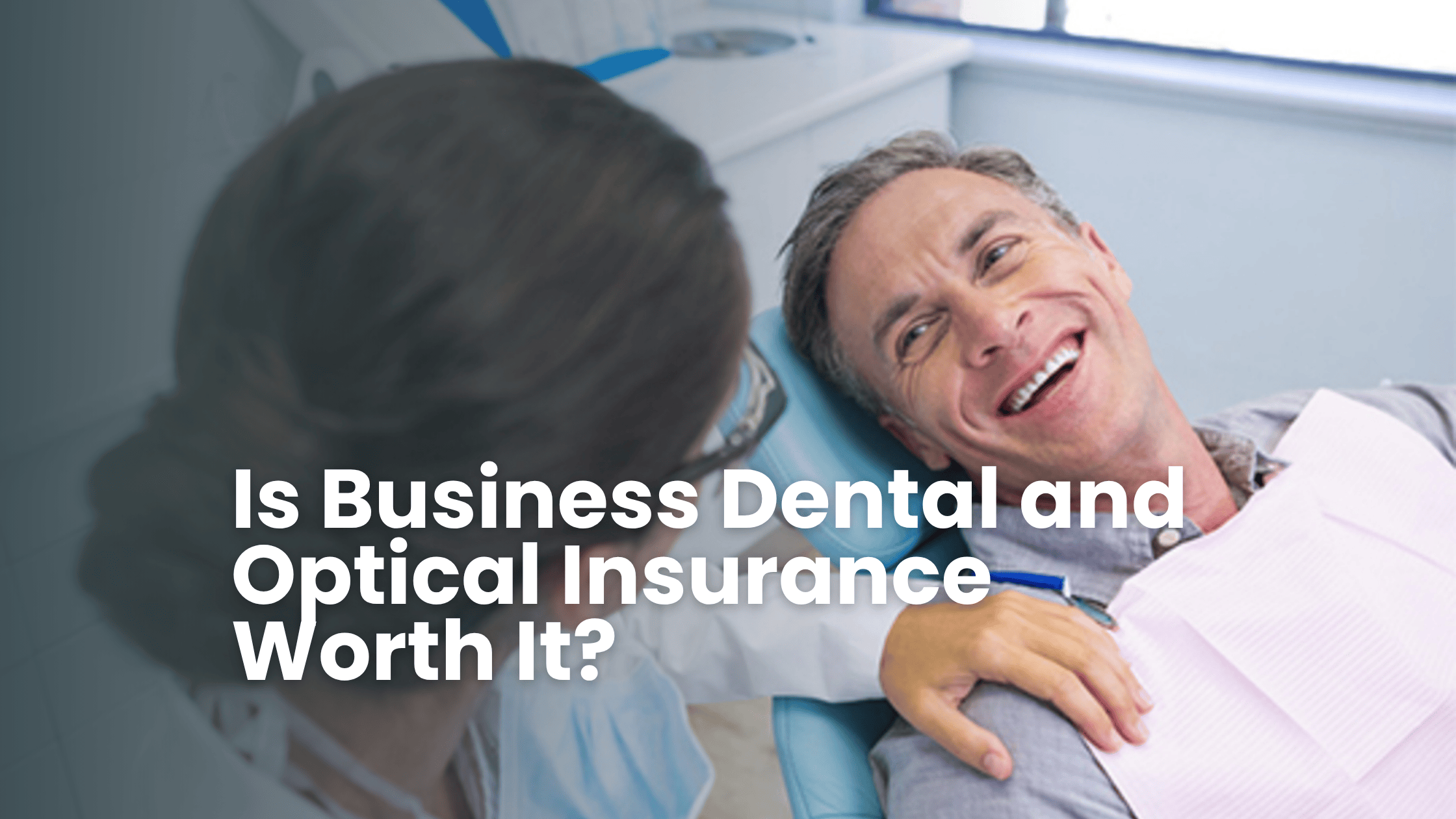
Dental and optical insurance is a practical health benefit that helps cover the cost of routine eye care and dental treatment. It’s commonly offered by employers as part of a wider benefits package, but it can also be purchased individually.
At its core, the way it works is simple: a policy is put in place, it covers specific treatments up to set limits, and when care is needed, the cost is either reimbursed or paid directly by the insurer. While the setup can vary slightly depending on whether it’s arranged through a business or individually, the overall experience of using the cover is very similar.
How Dental and Optical Insurance Benefits Your Business
Adding dental and optical cover to your employee benefits package can bring a range of advantages.
It helps you attract and retain talent
Health benefits are a key factor for many employees when choosing where to work. Offering cover for everyday healthcare needs shows that your business values employee wellbeing, which can help you stand out in a competitive hiring market.
It can also improve retention, reducing the long-term costs associated with recruitment and training.
It supports compliance in a cost effective way
If your employees regularly use screens, you’re required to provide eye tests and, where necessary, glasses for display screen use.Including optical cover within an insurance policy can be a more efficient and manageable way to meet this obligation compared to handling costs on a case by case basis.
It can reduce sickness absence
Routine dental and eye checks can highlight underlying health issues early. Addressing problems sooner often leads to better outcomes and may reduce time off work.A healthier workforce is typically more productive and engaged.
It encourages preventative care
Cost is one of the main reasons people delay dental or eye appointments. Insurance removes much of that barrier, making employees more likely to attend regular check-ups. Over time, this can reduce the need for more complex and expensive treatments.
What Does Dental and Optical Insurance Cover?
The exact level of cover depends on the provider and policy chosen, but most plans include a mix of routine care and treatment, usually with annual limits.
Optical cover
Optical insurance focuses on maintaining eye health and supporting vision needs.
Typically includes:
- Eye tests (often once per year)
- Contributions towards glasses or contact lenses
- Cover for prescription changes
More advanced procedures, such as laser eye surgery, are usually excluded as they are considered elective.
Dental cover
Dental insurance supports both preventative care and common treatments.
Typically includes:
- Routine check-ups and hygienist visits
- X-rays and basic diagnostics
- Fillings, extractions, and root canal treatment
- Emergency dental care
Some policies may contribute towards more complex work like crowns or bridges, though these often have stricter limits.
Emergency and accidental treatment
Many plans also include cover for unexpected issues, such as dental injuries or infections requiring urgent care.
This can include:
- Repairing damaged teeth
- Emergency appointments
- Prescribed medication related to dental issues
Who Is It Right For?
Dental and optical insurance is particularly well suited to:
- Businesses looking for a cost-effective alternative to private medical insurance
- Employers wanting to offer practical, everyday health benefits
- Teams who may struggle to access NHS services
- Employees who regularly pay for dntal or optical care
Because these are common, ongoing healthcare needs, employees tend to see value from this benefit quickly.
Is It Different from a Cash Plan?
Although they’re often grouped together, dental and optical insurance is different from a cash plan. A cash plan allows employees to claim back the cost of a range of everyday healthcare expenses, such as dental, optical, physiotherapy, and prescriptions up to set limits.
Dental and optical insurance, on the other hand:
- Focuses specifically on teeth and eye care
- May offer more structured or higher levels of cover in those areas
- Can sometimes include direct payment options instead of reimbursement
In simple terms:
- Cash plans are broader but usually have lower limits
- Dental and optical insurance is more focused, often providing deeper cover for those specific needs
How Does It Cover Employees?
For businesses, dental and optical insurance is usually set up as a group scheme.
Employers decide:
- The level of cover
- Whether to include dependents
- How the policy is funded
Once enrolled, employees can:
- Visit their dentist or optician (depending on policy terms)
- Pay upfront and claim reimbursement, or use direct payment options
- Submit claims through an online portal or app
This makes the benefit relatively easy to use and understand.
How Do Exclusions Work?
Like all insurance policies, dental and optical cover comes with exclusions and limits.
Common exclusions include:
- Cosmetic treatments (such as teeth whitening or orthodontics)
- Elective procedures like laser eye surgery
- Certain long-term or chronic conditions
- Costs exceeding annual claim limits
Pre-existing conditions may also be excluded, depending on the insurer. These are typically defined as conditions an individual has received advice or treatment for within a set period before joining the policy.
Some policies also include waiting periods before certain treatments can be claimed.
Get in touch
Dental and optical insurance is a straightforward, high-value benefit that supports everyday health needs. It provides employees with access to routine care while helping them manage costs more effectively.
For employers, it offers a balanced way to enhance a benefits package without the higher cost of full medical insurance making it a practical and popular option for businesses of all sizes.