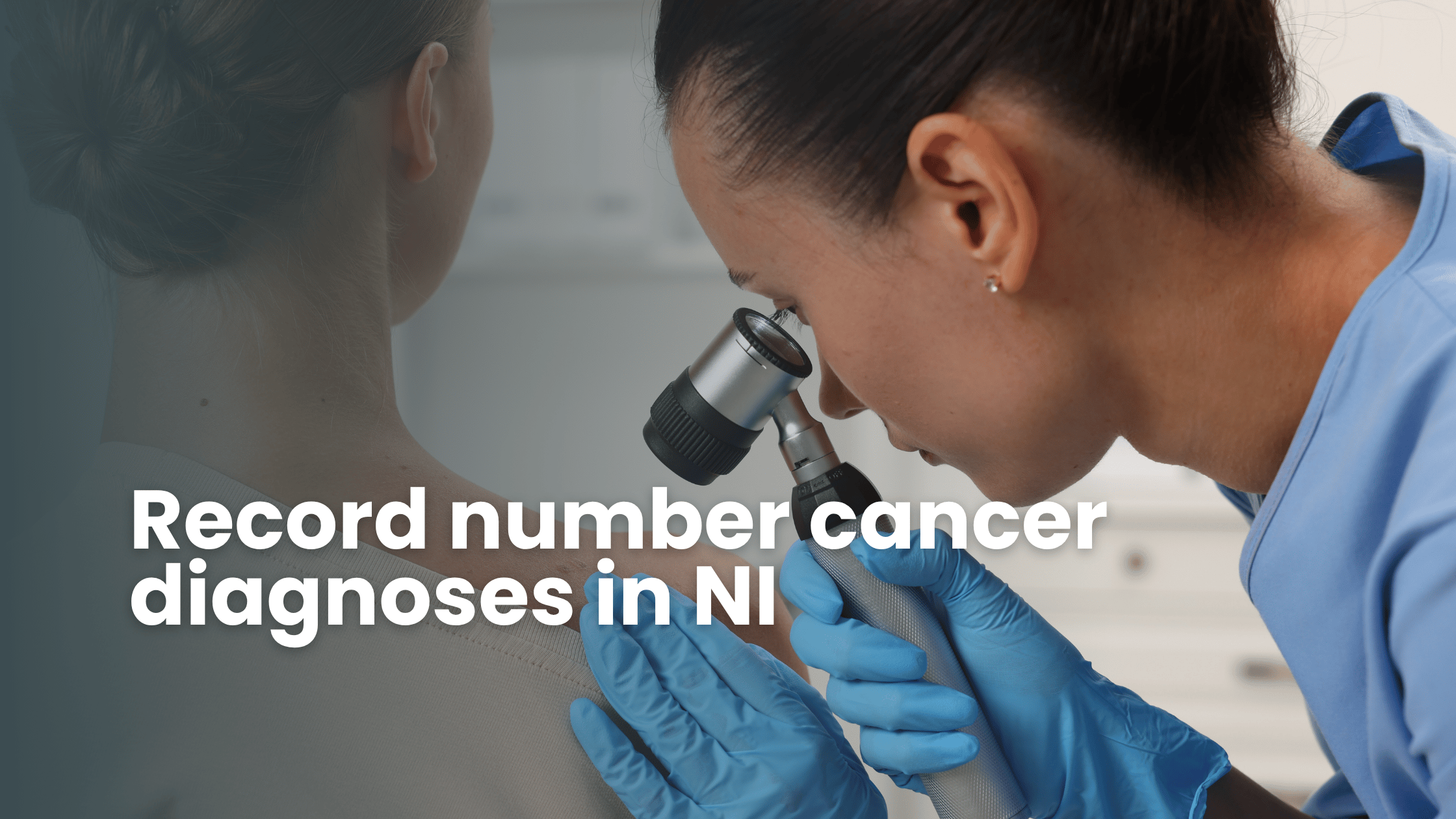
A recent report highlighted by the BBC News has revealed a stark reality: cancer diagnoses in Northern Ireland are now at record levels, with around 29 cases recorded a day. This represents thousands of individuals and families facing life changing news every year, so what’s causing the rise. For a broader look at how wider healthcare and insurance pressures are evolving in the UK, you can also explore this overview of health insurance trends in the UK in 2026.
A Growing Health Challenge
Cancer rates across the UK are rising, and Northern Ireland is among the hardest hit regions. Around 10,000 people are diagnosed with cancer annually in Northern Ireland, equating to roughly 28-29 people every single day.
This rise is driven by several factors:
- An ageing population
- Lifestyle risks such as obesity and smoking
- Improved detection methods
However, while more cases are being identified, the healthcare system is struggling to keep pace.
The Reality of Waiting Times
One of the most pressing issues highlighted is the delay between referral, diagnosis, and treatment. In Northern Ireland only 37.2% of patients start treatment within the 62-day target from urgent referral. The target is 95%, meaning the majority of patients face delays and around 58% of patients wait longer than 9 weeks just for diagnostic tests.
You can read more detail on how these delays typically work in practice in this breakdown of health insurance waiting periods in the UK.
Across the UK more broadly, over 100,000 cancer patients waited longer than two months to begin treatment in recent data. These delays can be critical. Cancer is a disease where time directly impacts survival.
Early detection is one of the most important factors in improving cancer outcomes. Around 90% of patients diagnosed at the earliest stage survive five years or more, this drops dramatically to around 14% when diagnosed at a late stage.
Yet in Northern Ireland only about 54% of cancers are diagnosed early. Nearly 1 in 5 diagnoses happen through emergency routes, often indicating advanced disease.
The Role of Private Healthcare
This is where private healthcare is increasingly entering the conversation. While the NHS provides essential, life-saving care, the reality is that demand is exceeding capacity, diagnostic bottlenecks are causing delays, and patients often face weeks or months of uncertainty.
For many, understanding the financial side is also important. Private care can vary significantly in price, and monthly costs depend on age, coverage level, and medical history you can explore a full breakdown of how much private health insurance costs per month.
Private healthcare can help bridge this gap by offering:
- Faster access to diagnostic tests (such as scans and biopsies)
- Quicker specialist consultations
- Reduced waiting times for treatment pathways
In a business context, some employers also explore different approaches such as comparing private medical insurance vs health cash plans to support staff health and reduce absenteeism.
For patients in Northern Ireland specifically, local healthcare pressures are also discussed in more depth in this regional guide to private health insurance in Northern Ireland.
For many patients, this can mean earlier diagnosis, earlier treatment, and better outcomes. Even accessing just the diagnostic stage privately before returning to NHS care can significantly shorten the timeline to treatment.
NHS vs Private: The Time Difference
While exact timelines vary depending on the case, the contrast is clear:
NHS (Northern Ireland):
- Diagnostic waits: often 9+ weeks
- Treatment target (62 days): missed by a large margin
- Many patients exceed recommended waiting times
Private Healthcare:
- Diagnostics: often within days to a few weeks
- Specialist consultations: typically within 1 to 2 weeks
- Treatment can begin significantly sooner
This difference in speed can be life changing.
A System Under Pressure
Northern Ireland’s cancer services have been under sustained pressure for years. Reports indicate longstanding staff shortages, underinvestment in diagnostic equipment, and increasing demand year on year.
What This Means for Patients
The rise in cancer diagnoses is not something individuals can control but how quickly you act on symptoms can make all the difference.
If you notice potential warning signs:
- Don’t delay seeking medical advice
- Push for timely referrals
- Consider all available options, including private diagnostics
The record number of cancer diagnoses in Northern Ireland is a stark reality. While progress has been made in treatment and survival, delays in diagnosis and care are putting lives at risk. Early detection saves lives, and in today’s healthcare landscape, accessing that early diagnosis quickly has never been more important.
Private healthcare is not a replacement for the NHS, but it is becoming an important complement in helping patients get answers faster, start treatment sooner, and ultimately improve their chances of survival.
Sources.