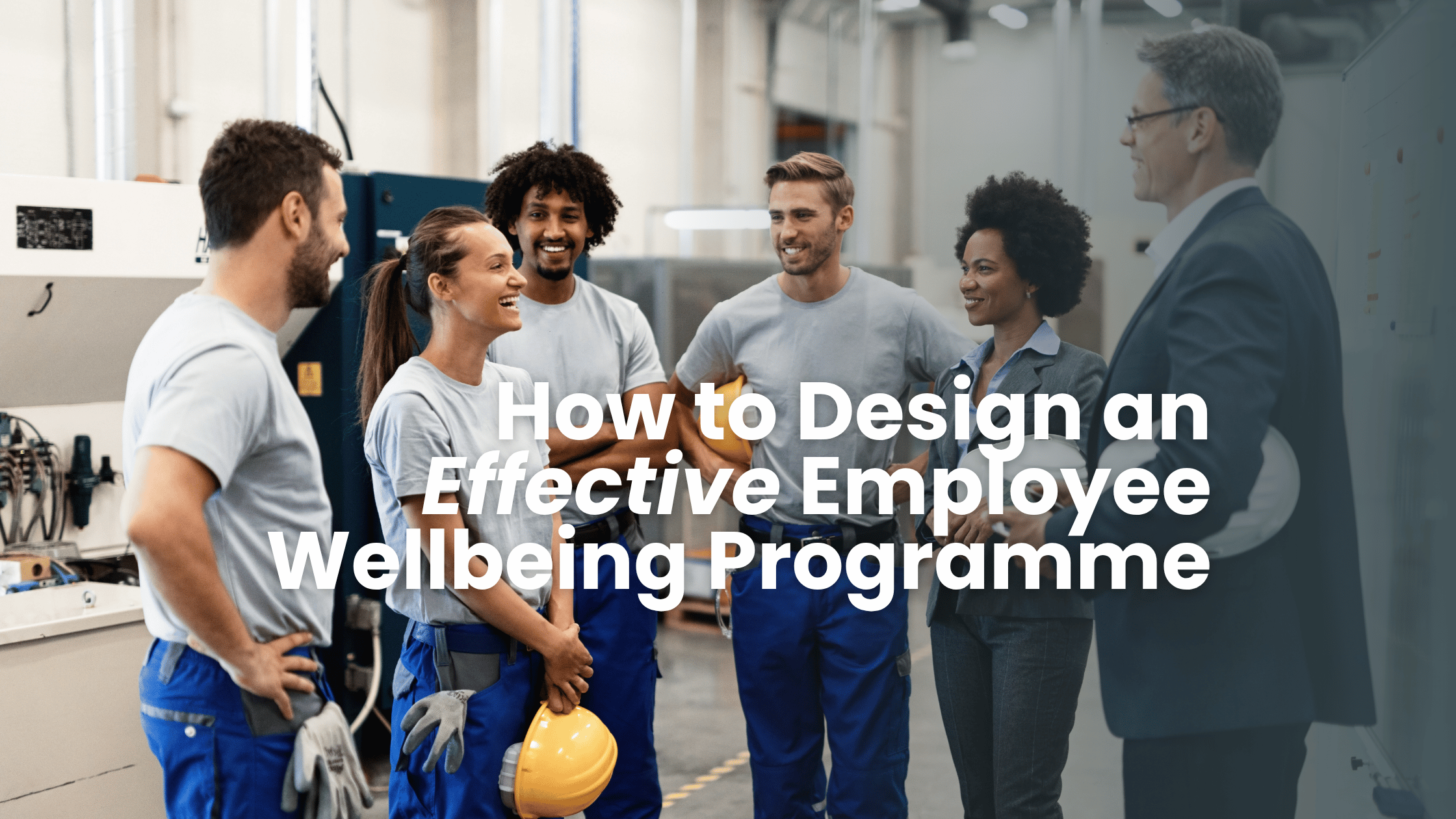
Employee wellbeing has become one of the most important considerations for modern employers. It’s no longer simply about offering a competitive salary. Today’s workforce increasingly values employers who support their physical health, mental wellbeing, work life balance, and overall quality of life.
However, creating an effective wellbeing programme isn’t about offering as many benefits as possible. The most successful programmes are those that genuinely reflect the needs of employees while remaining sustainable for the business.
At Cransford, we often work with businesses that want to improve employee wellbeing but aren’t sure where to start. The good news is that an effective wellbeing programme doesn’t have to be complicated or expensive. It simply needs to be built around the right priorities.
Start by Asking Employees What They Actually Value
One of the biggest mistakes employers make is building a wellbeing programme based on assumptions. What management believes employees want isn’t always what employees value.
For example, a younger workforce may place greater importance on flexible working, mental health support, and wellbeing initiatives. Employees with families may prioritise private healthcare, virtual GP access, or family-friendly policies. More experienced employees may be particularly interested in preventative healthcare, health screenings, and specialist medical access.
Before investing in new benefits, consider gathering employee feedback through surveys, wellbeing questionnaires, team discussions, or one to one conversation. The Chartered Institute of Personnel and Development highlights employee consultation as a key part of developing successful wellbeing strategies, helping employers ensure benefits align with the real needs of their workforce. When employees feel their opinions have been considered, engagement with wellbeing initiatives is often significantly higher.
Focus on the Benefits Employees Will Actually Use
A common challenge for employers is deciding where to allocate their budget. Many organisations invest in benefits that sound impressive on paper but receive very little engagement. Meanwhile, some of the most valued benefits are often those that help employees with everyday challenges.
Rather than asking, “What benefits can we afford?” a better question is, “What benefits will make the biggest difference to our employees?”
Benefits that often deliver strong engagement include:
- Employee Assistance Programmes (EAPs)
- Mental health support services
- Health cash plans
- Virtual GP access
- Private medical insurance
- Occupational health services
- Flexible and hybrid working arrangements
The most effective wellbeing programmes aren’t necessarily the most expensive. They’re the ones employees genuinely use and value.
Make Mental Health Support a Core Part of Your Strategy
Mental wellbeing has become one of the most important aspects of employee support. According to Deloitte’s Mental Health and Employers report, employers can see an average return of £5 for every £1 invested in workplace mental health initiatives through improved productivity, reduced absence, and better employee retention.
While many businesses now offer Employee Assistance Programmes, the strongest wellbeing strategies go beyond simply providing access to counselling.
Employers should also consider:
- manager training
- mental health awareness initiatives
- stress management resources
- wellbeing check-ins
- clear signposting to available support
Creating a culture where employees feel comfortable discussing wellbeing concerns can often have just as much impact as the benefits themselves.
Build Regular Wellbeing Check Ins Into Your Workplace Culture
Benefits alone do not create a healthy workplace. Employees are far more likely to feel supported when wellbeing is part of regular workplace conversations rather than something discussed once a year.
Regular one to one meetings give managers an opportunity to identify potential concerns before they develop into larger issues. These conversations can help employers understand workload pressures, wellbeing challenges, engagement levels, and potential burnout risks.
The CIPD’s Health and Wellbeing at Work research continues to identify stress and mental ill health as significant contributors to long term workplace absence. By creating opportunities for regular wellbeing discussions, businesses can often identify issues earlier and provide support sooner.
Don’t Overlook the Role of Healthcare Benefits
While many wellbeing discussions focus on mental health, physical health support remains a major factor in employee wellbeing. Access to healthcare can have a direct impact on employee experience, productivity, and attendance. Long waiting times for consultations, diagnostics, or treatment can create uncertainty and frustration for employees. This is why many businesses are increasingly incorporating healthcare benefits into their wellbeing strategies.
Depending on budget and workforce needs, options may include health cash plans, occupational health services, virtual GP access, private medical insurance, health assessments, or wellbeing screenings. Health cash plans can often provide a cost-effective starting point by helping employees claim towards everyday healthcare costs such as dental treatment, optical care, physiotherapy, and routine appointments.
Private medical insurance can provide faster access to diagnostics, specialist consultations, treatment, and mental health services. As specialist health insurance brokers, we often find that healthcare benefits are among the most appreciated employee benefits because they provide support when employees need it most.
Flexible Working Can Be One of Your Most Valuable Benefits
Not every wellbeing initiative requires additional spending, For many employees, flexibility can be just as valuable as a financial benefit. Hybrid working, flexible start and finish times, compressed working weeks, wellbeing days, and family friendly policies can all contribute to a healthier work life balance.
CIPD research has found that employees with access to flexible working arrangements often report higher levels of wellbeing and job satisfaction. While flexibility won’t be suitable for every industry or role, employers should consider where practical adjustments can improve employee experience without negatively affecting business performance.
Measure What’s Working and Adapt Over Time
An effective wellbeing programme should never be considered finished. Employee needs evolve, workforces change, and new challenges emerge. Benefits that are highly valued today may become less relevant in the future.
Regularly reviewing employee feedback, wellbeing survey results, absence trends, staff turnover, and benefit utilisation can help businesses understand whether their programme is delivering meaningful value.
The most successful wellbeing strategies are those that continue evolving alongside the workforce they support.
Bringing It All Together
The best employee wellbeing programmes aren’t built around trends or assumptions. They’re built around people. By listening to employees, focusing on benefits that provide genuine value, supporting both mental and physical wellbeing, and regularly reviewing what’s working, businesses can create a wellbeing strategy that benefits both employees and the organisation.
At Cransford, we help businesses design healthcare and wellbeing strategies that align with their workforce, objectives, and budget. Whether you’re considering health cash plans, private medical insurance, occupational health support, wellbeing initiatives, or a wider employee benefits package, understanding what employees truly value is often the first step towards building a healthier, more engaged workforce.
Speak to one of our specialists today either via email or phone or check out our social media for more advice and information.
Email- [email protected]
Phone- 028 9073 5207
Social media- @cransfordhealth